- Home
- Blog
- FUE Hair Transplant
- What Is the Donor Area? Capacity, Protection and the Risks o...
What Is the Donor Area? Capacity, Protection and the Risks of Overharvesting
Why the donor area matters so much in hair transplants: the safe donor zone, donor density, the consequences of overharvesting and donor healing.
Contents
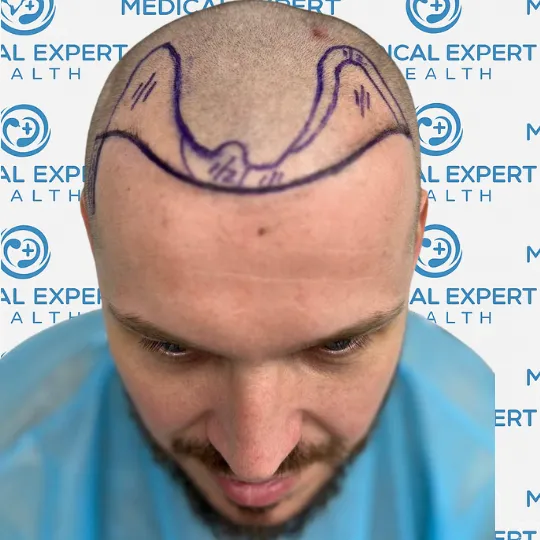
Hair transplant success depends heavily on assessing and protecting the donor area, usually the back and sides of the head. It is a limited resource; once overused, it cannot be restored.
Why the back and sides?
In male-pattern loss, sensitivity to DHT decides which follicles fall out. Follicles at the crown and front are sensitive, while those at the back and sides are genetically more resistant, and they keep this trait after transplantation: donor dominance.
The safe donor zone
Not all of the back is equally safe. The safe zone is where loss is least likely over a lifetime; follicles taken from outside it may fall out over the years.
| Factor | Explanation |
|---|---|
| Density | Follicular units per cm² |
| Graft composition | Hairs per unit |
| Hair thickness | Thicker hair covers better |
| Donor width | Varies with head shape and loss pattern |
| Skin elasticity and health | Affects healing |
Risks of overharvesting
A thin, patchy donor; white dots visible with short haircuts; no reserve for a second session; and permanent aesthetic damage. Good planning achieves a natural result in the recipient area without visible thinning in the donor.
Balanced extraction
Spread extraction evenly across the donor, avoid clusters, match punch size to graft size and keep a reserve for future loss.
| Period | General course |
|---|---|
| Days 1–3 | Dressing, slight oozing and tenderness |
| Days 3–7 | Small scabs, redness fading |
| Days 7–10 | Scabs fall off, redness much reduced |
| Weeks 2–4 | Short donor hair grows, extraction points close |
Temporary numbness or tenderness may last a few weeks and usually resolves.
Alternative donors
With insufficient scalp donor, beard or sometimes chest hair may be used on medical advice, usually for density support such as the crown, as its structure differs from scalp hair.
At our Istanbul clinic, the donor is analysed in detail and graft targets protect its long-term health; for clients from Yalova, Bursa, Kocaeli and Gebze, donor assessment is the first step of consultation.